Category:
Documentary, Media.
Client:
DAU
Kodi Pandem
Documentary, Media.
My Approach to Unraveling Complex Identities: Kodi Pandem Documentary
My work on "KODI PANDEM" is an attempt to use the comprehensive and systematic approach to documentary filmmaking, blending rigorous academic inquiry with a deeply personal journey to decode the layered and often obscured identity of Telangana, moving beyond simplistic narratives to explore its evolution as a lived, contested, and evolving entity.
1. Defining the Challenge: Unpacking "Why Telangana Exists?"
The project began by identifying a critical communication gap: the prevailing narrative of Telangana's identity was often reduced to a story of oppression and resistance, framing its statehood as a mere reaction to exploitation. My goal was to bridge this gap by introducing Telugu-speaking natives to diverse identities and points of view on how Telangana evolved, thereby improving their understanding of identity as a fluid concept shaped by history, culture, language, and memories. Personally, this endeavor was fueled by my own estrangement from Telangana’s cultural heritage and a desire to challenge the notion that my roots were "backward" or lacked cultural depth.
2. Phase 1: In-depth Research and Grounding
My process is anchored in thorough research, ensuring a robust foundation for the narrative.
Secondary Research:
Chronological Mapping: I systematically established the chronological order of events from Hyderabad's annexation into India in 1948 to Telangana's official formation as the 29th state in 2014, including key milestones like the States Reorganization Commission's (SRC) recommendations, the "Gentlemen's Agreement," and various movements. This provided a crucial historical backdrop for exploring adjacent topics.
Educational Analysis: I delved into SCERT textbooks to understand what was taught about Telangana before and after the state formation. This revealed a significant lack of mention of Telangana's history, culture, and festivals in pre-bifurcation textbooks, which predominantly focused on the formation of Andhra State.
Literature Review: I conducted an extensive review of published academic papers and hard-to-find books, including those from Nizam's Library in Hyderabad. This research provided key insights, such as the acknowledgment of "Telangani people" since the 14th century, the nuanced history of Telangana's existence in limbo, and the political complexities surrounding the merger and subsequent movements.
Primary Research:
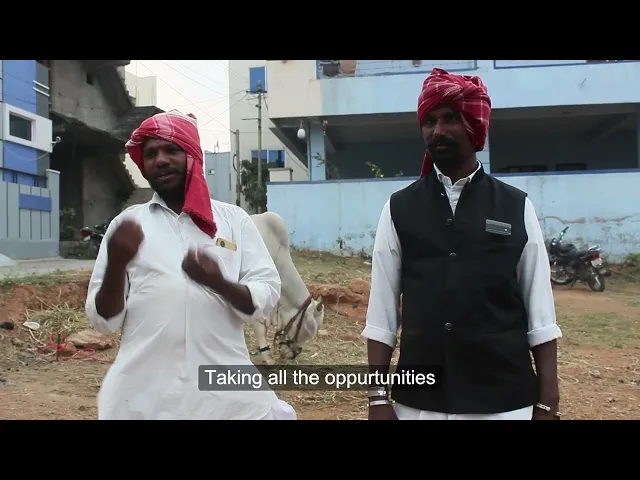
Generational Interviews: To ascertain public perception, I conducted structured interviews with individuals from both Telangana and Andhra Pradesh, spanning different age groups (born pre-1950, post-1956, post-2000). A comprehensive interview questionnaire was developed to explore their understanding of history, identity, cultural differences, reasons for separation, and personal reflections.
Key Findings: This research uncovered a noticeable knowledge gap and an internalized bias against Telangana's dialect and traditions (perceived as "backward" or "inferior") among younger participants, largely attributed to the education system's historical omissions. In contrast, older generations displayed a more nuanced understanding.
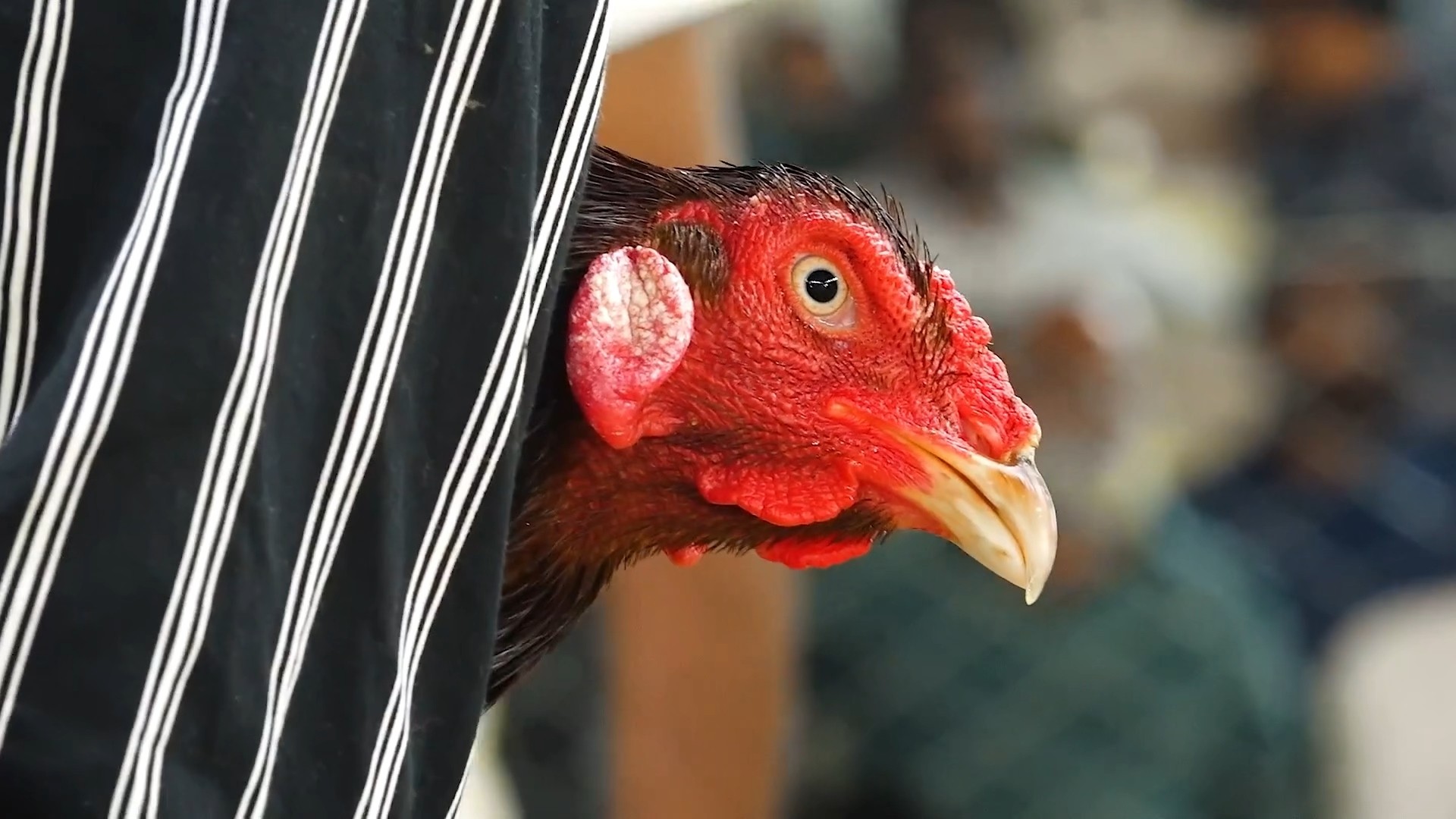
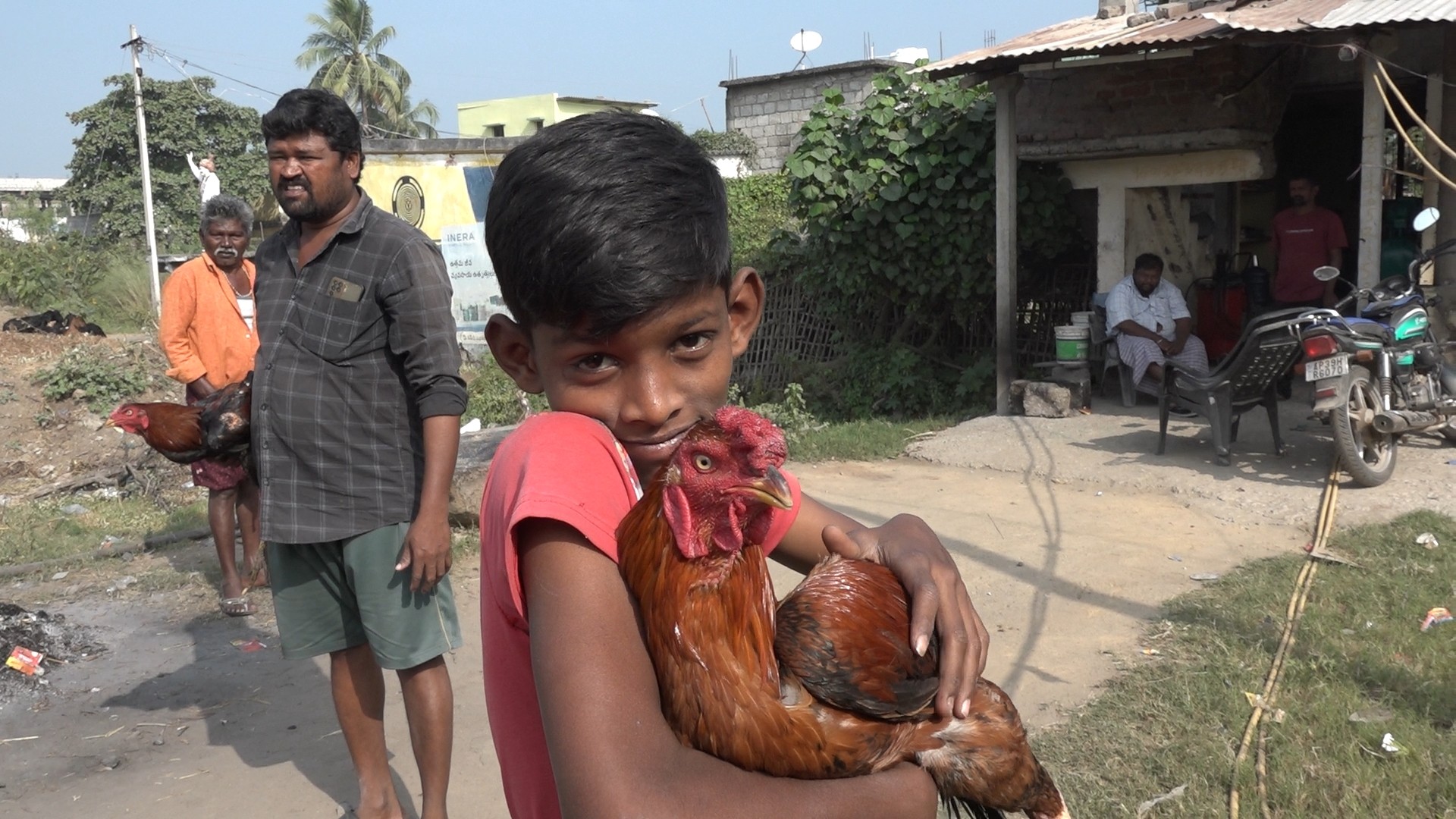
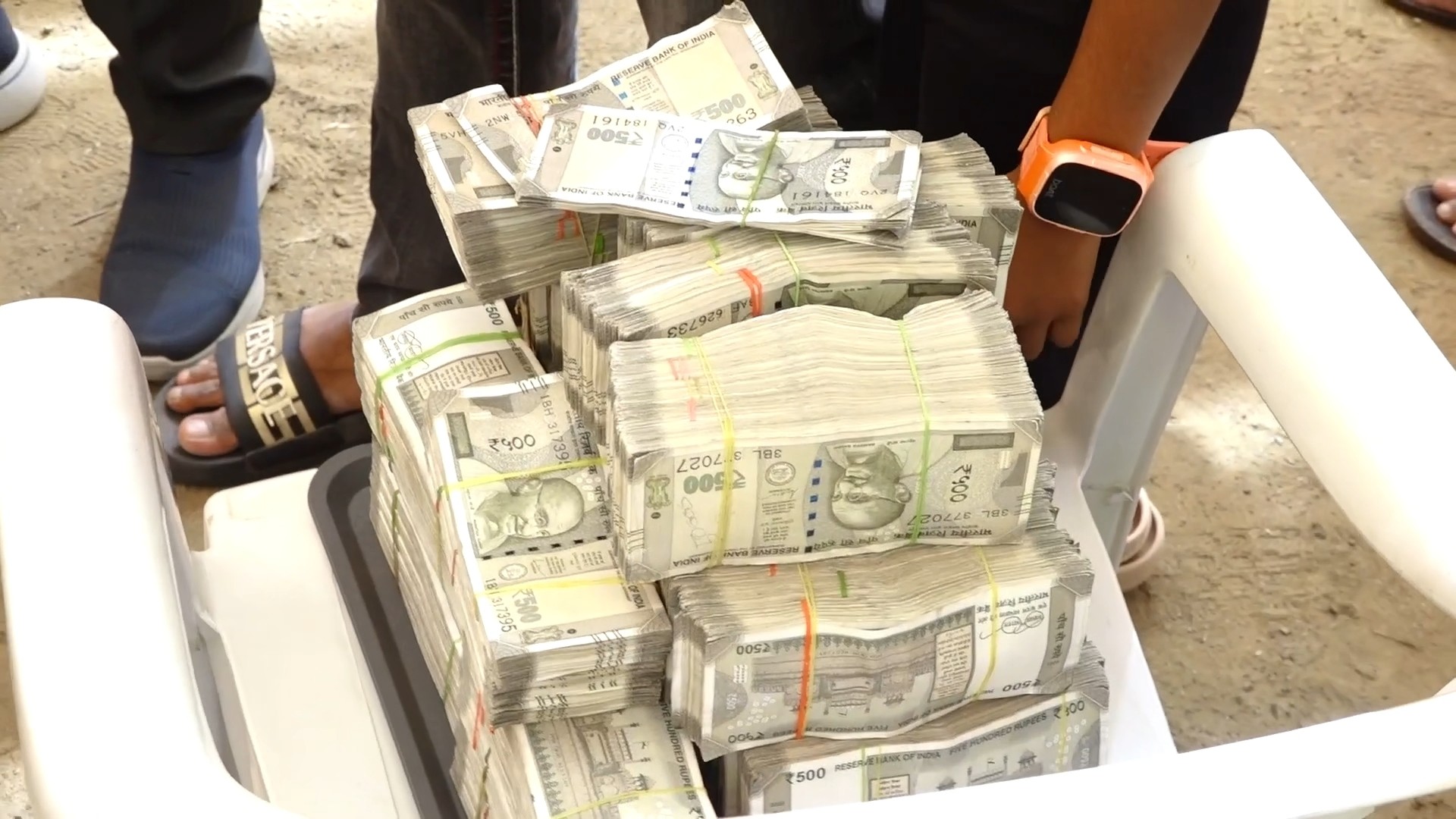
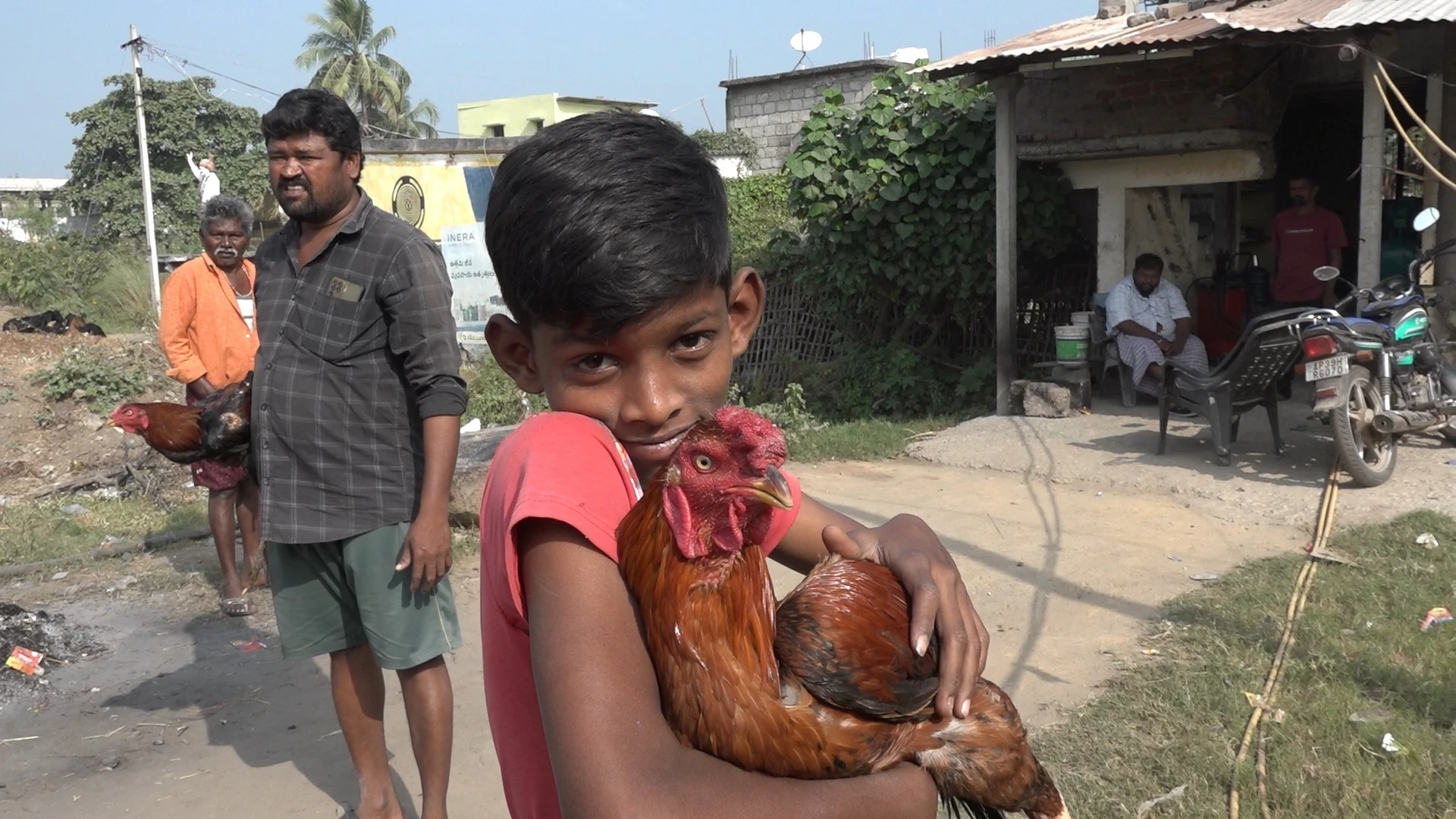
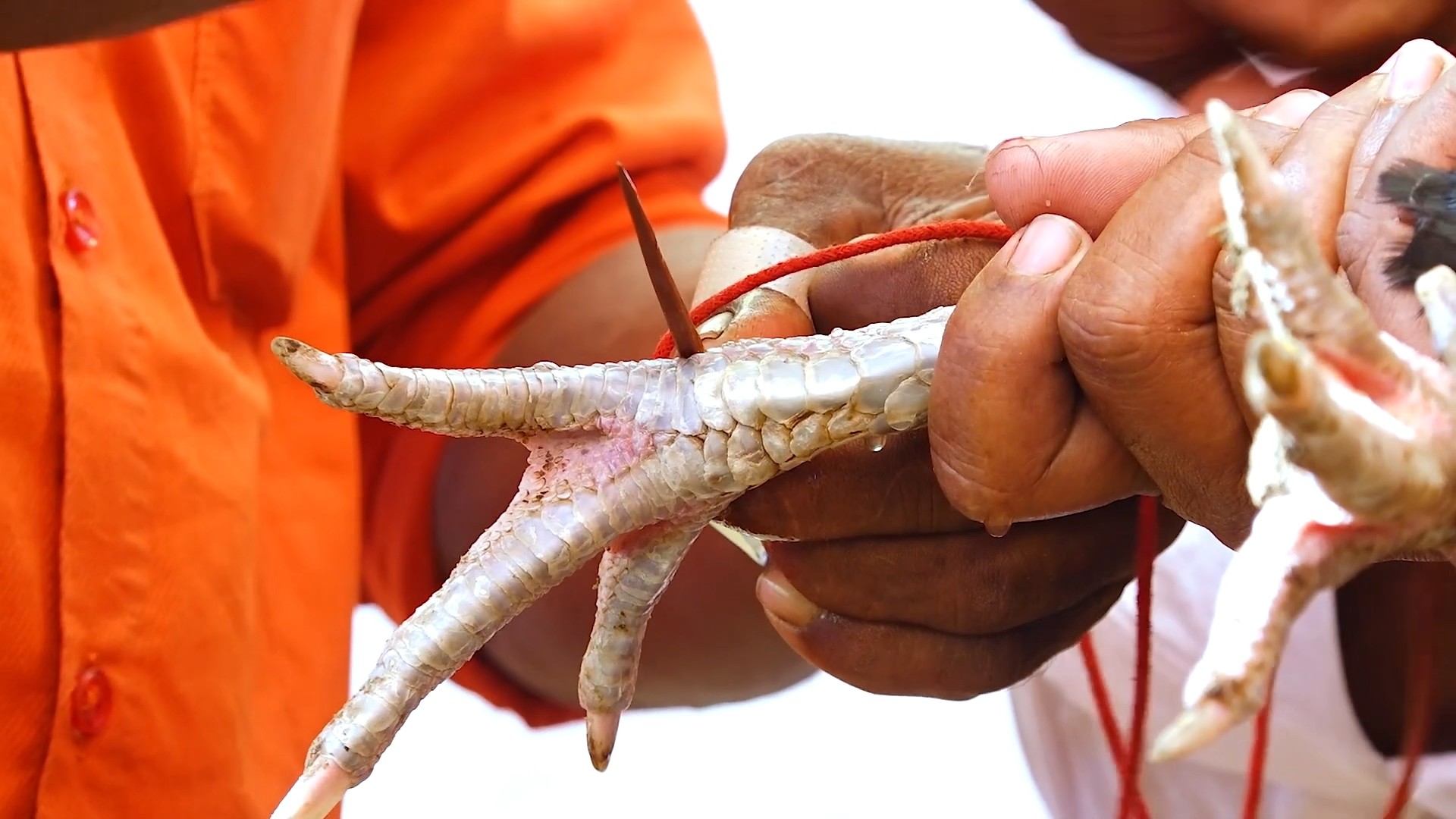
Cultural Immersion & Stakeholder Engagement: I engaged directly with cultural institutions like the Telangana and Andhra Sahitya Akademi and the Department of Language and Culture for resources. Crucially, I immersed myself in the world of kodi pandem (cockfights) by interviewing enthusiasts and attending cock sales, gaining first-hand insight into how these traditions are deeply embedded in local culture and used to symbolize power and status.
3. Phase 2: Iterative Development and Production
Translating research into a compelling narrative required an adaptable and resourceful approach.
Scripting & Iteration: Following feedback from my project guides, Prof. Madhumita Mazumdar and Prof. Anirban Dutta Gupta, I made extensive changes to the initial script. This iterative process led to a more personal and empathetic storytelling approach, incorporating personal anecdotes, home videos, photos, and interviews with my own siblings to illustrate the fluidity of identity within a single family.
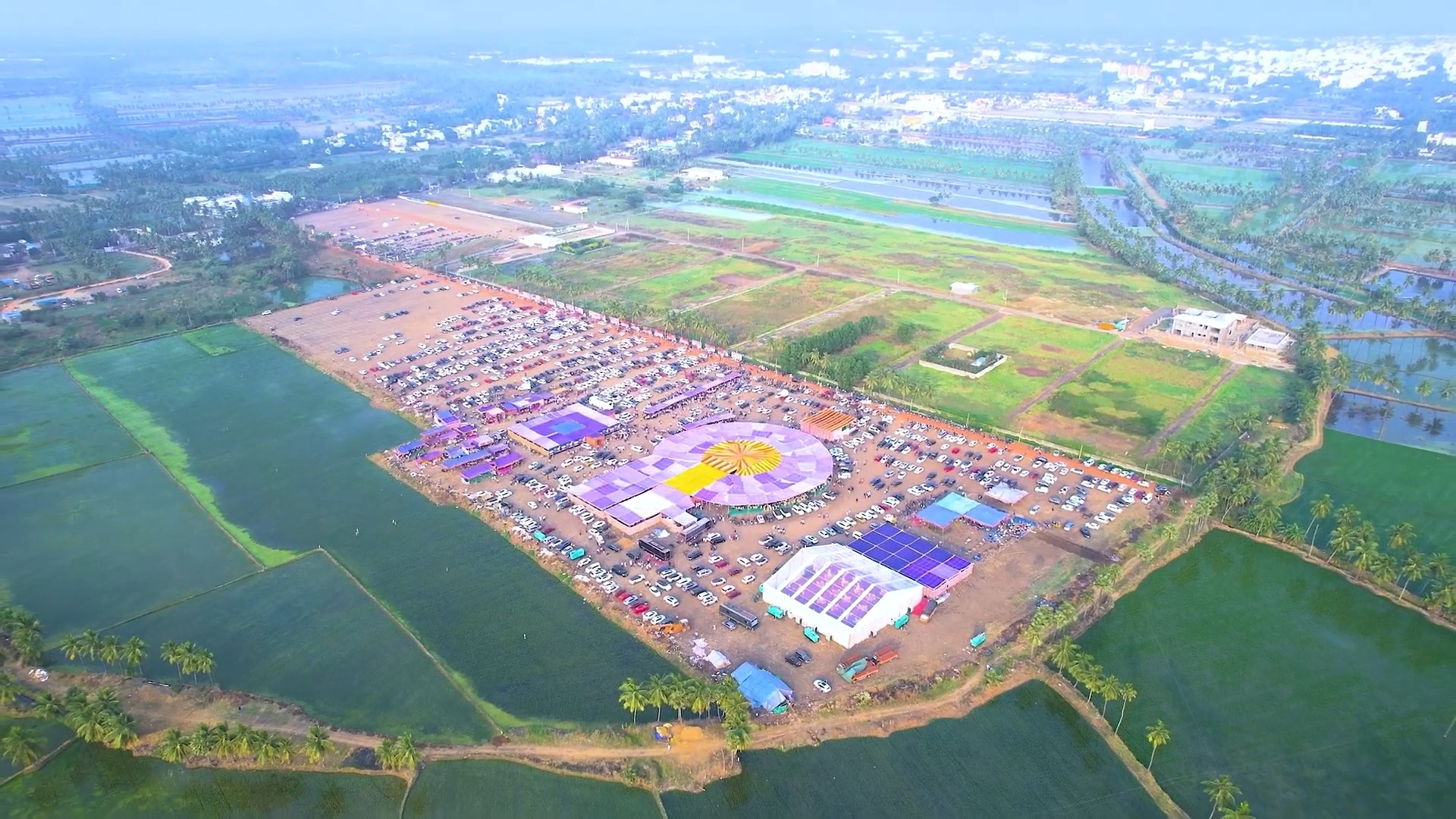
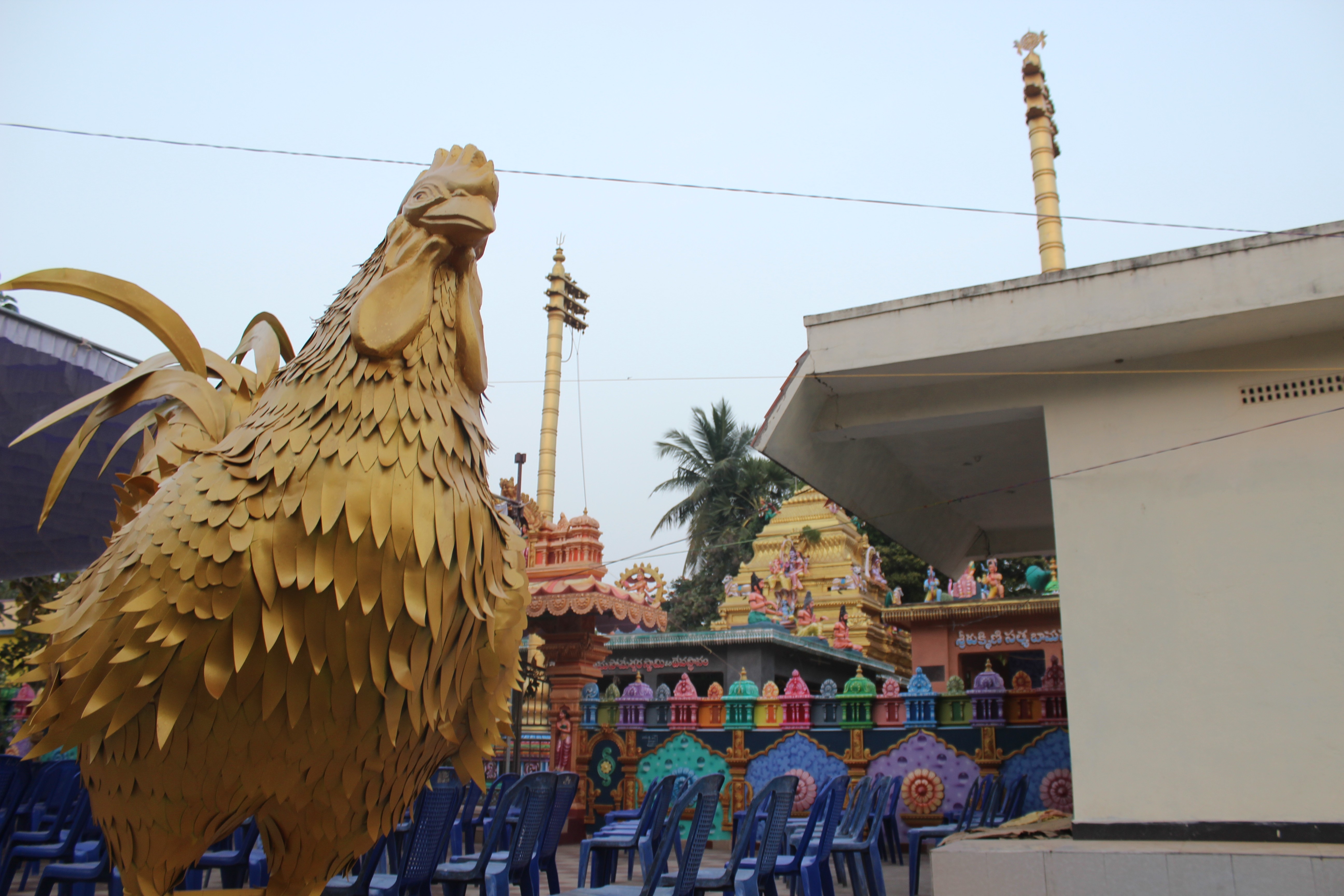
Production Logistics: Filming during the time-sensitive Sankranti festival in Bhimavaram presented significant logistical challenges, including accommodation and maintaining operational equipment. My ability to adapt, even to the extent of sleeping in a car for three days and relying on the kindness of local shopkeepers to charge batteries, ensured the successful capture of critical footage.
4. Phase 3: Crafting the Narrative in Post-Production
The final stage involved meticulous attention to detail and technical mastery to bring the story to life.
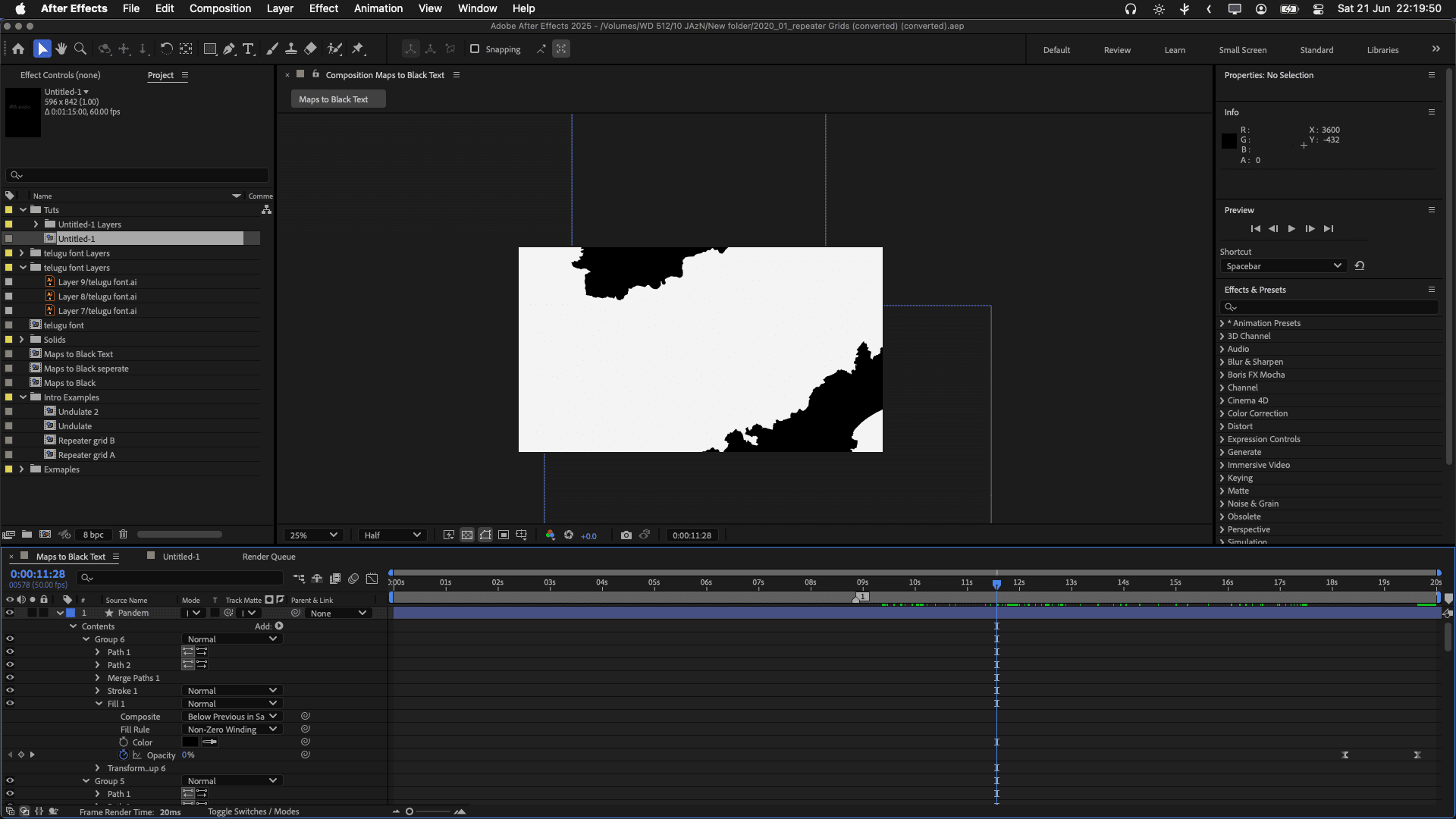
Technical Proficiency: I utilized industry-standard software such as Davinci Resolve for composition, color correction, and audio work, alongside After Effects for intro graphics, and Illustrator and Pixelmator for in-video graphics.
Data Management & Storytelling: Managing over 2000 clips required a systematic approach, using color-coding, keywords, and multiple timelines in Davinci Resolve to ensure narrative coherence and prevent information overload. A key learning was the paramount importance of the script in guiding editing decisions, even if it meant letting go of personally favored shots.
Metaphorical Storytelling: A core innovation was the use of Sankranti traditions Kodipandalu (cockfights), Gangireddulata (performing oxen), and Bhogi (ritual cleansing) as powerful metaphors. These cultural motifs allowed me to explain complex socio-political dynamics, such as the struggle for dominance, exploitation, and the shedding of old grievances to embrace a renewed identity, making abstract concepts deeply relatable to a broad audience.
Layered Voices: The final script weaves together diverse perspectives from old-timers who see no differences to younger individuals with conflicting views culminating in a personal exploration of identity through conversations with siblings. This multi-layered approach illustrates the nuanced and fluid nature of identity.
Outcome and Impact:
"KODI PANDEM" is presented as an "offering, not a conclusion," designed to open a space where layered identities may speak, perform, and persist. It encourages viewers to question their own convictions and remain open to evolving perspectives. This project not only addressed my personal curiosity but also aimed to contribute to a larger dialogue on subregionalism and foster deeper understanding and self-reflection among Telugu speakers regarding their own identity.
Personal & Professional Growth:
This project has been a transformative journey. It challenged my preconceived notions, deepened my understanding of identity, and fostered greater empathy. Professionally, I honed skills in ethnography and videography, applied theories from the History of Design, and mastered numerous technical aspects of post-production. Ultimately, this experience reshaped my approach to listening, looking, and telling stories.
Video
Gallery